How Gutters Protect Olympia Homes from Water Damage All Year Long
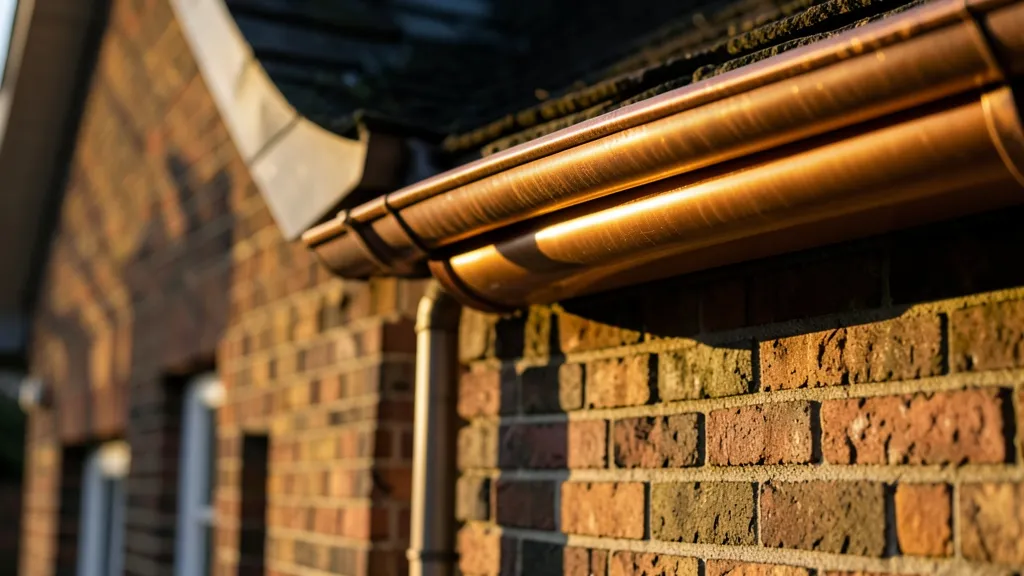
Gutters do more than just channel rainwater—they’re your home’s first line of defense against the relentless moisture of the Pacific Northwest. Without them, Olympia’s heavy rains, windblown pine needles, and seasonal storms can wreak havoc on roofs, siding, and foundations. We’ve seen firsthand how well-designed systems prevent thousands in damage, but only when they’re clean, intact, and properly sloped.
Why Gutters Matter in a Rainy Climate Like Ours
Olympia averages over 50 inches of rain annually, with wet seasons stretching from fall through spring. Gutters collect that water and direct it safely away from your home’s structure, preventing soil erosion around the foundation.
Without gutters, rainwater cascades off the roof, splashing against siding, pooling near the base of your home, and seeping into basements or crawl spaces. Over time, this leads to mold, rot, and structural instability.
Even in drier months, morning dew and occasional summer storms can cause damage if gutters are clogged or improperly pitched. Consistent maintenance is non-negotiable here.
The Domino Effect of Clogged Gutters
When leaves, pine needles, and moss accumulate, gutters can’t drain. Water overflows, spilling over the sides and soaking the fascia and soffit—wood components that rot quickly when saturated.
Ice dams form in winter when trapped water freezes and expands, lifting shingles and creating leaks. This is a common issue in neighborhoods like Tumwater and Lacey, where tree cover is dense.
Clogs also add weight, pulling gutters away from the roofline. The result? Costly repairs to both the gutter system and the roof edge.
Sagging gutters, water stains on siding, or puddles near your foundation mean your system isn’t doing its job. Address these early to avoid bigger problems.
Gutter Materials: Durability in the Pacific Northwest
Aluminum gutters are the most popular here—they resist rust, handle heavy rainfall, and are lightweight. Copper offers a premium look but comes with a higher cost and develops a patina over time.
Steel gutters are sturdy but can rust if not galvanized or coated. Vinyl is budget-friendly but may crack in extreme cold, which limits its use in areas like Yelm with harsher winters.
Seamless gutters, custom-fitted on-site, reduce leak points. They’re ideal for Olympia’s long, wet seasons where every drop counts.
| Material | Pros | Cons |
|---|---|---|
| Aluminum | Rust-proof, lightweight, low maintenance | Can dent under heavy debris or ladders |
| Copper | Long lifespan, elegant appearance, corrosion-resistant | Expensive, develops patina |
| Galvanized Steel | Strong, handles heavy water flow | Can rust over time if coating wears |
| Vinyl | Affordable, DIY-friendly | Brittle in cold, limited color options |
Downspouts and Drainage: The Unsung Heroes
Downspouts carry water from gutters to the ground, but their placement is critical. They should extend at least 5–10 feet away from the foundation to prevent pooling.
In flat or sloped yards, splash blocks or underground drainage pipes (like French drains) help direct water further away. This is especially important in low-lying areas near DuPont or Tenino, where drainage is a known challenge.
Clogged downspouts are just as problematic as clogged gutters. Water backs up, overflows, and can damage the roof deck or interior ceilings if left unchecked.
Seasonal Gutter Challenges in the South Sound
Fall brings a deluge of leaves from bigleaf maples and Douglas firs. If not removed, they create a thick mat that traps moisture and accelerates rot.
Winter’s freezing temps turn standing water in gutters into ice, leading to dams that push water under shingles. Spring’s pollen and seed pods add another layer of debris to clear.
Summer isn’t off the hook—dry spells can crack caulk and seals, while sudden storms test your system’s capacity. A mid-summer gutter inspection can catch issues before the rainy season returns.
Seasonal Gutter Maintenance Tasks
- Clean gutters and downspouts in early fall and late spring
- Check for and reseal leaks at seams and end caps
- Ensure downspout extensions are intact and directed away from the home
- Inspect for sagging or loose hangers after winter storms
- Trim overhanging branches to reduce debris buildup
When to Call in the Pros for Gutter Work
DIY cleaning works for single-story homes with easy roof access, but multi-story homes or steep roofs pose serious safety risks. Our team uses ladders with stabilizers and harnesses where needed.
If you notice water damage, peeling paint, or gutters pulling away, it’s time for a professional inspection. We often find hidden issues like rusted fasteners or improper slope during these visits.
For gutter guard installation, repair, or resealing, professionals ensure the work meets local building codes and manufacturer specifications. This is especially important for commercial properties in Olympia or Lacey.
Installing gutter guards reduces debris buildup by up to 80%, cutting maintenance frequency. They’re a smart investment for homes surrounded by trees.
Gutter Guards: Are They Worth It Here?
Gutter guards come in several types: mesh screens, reverse-curve systems, and foam inserts. Mesh screens are the most common in our area—they block leaves while allowing water to flow through.
Reverse-curve guards (like LeafGuard) use surface tension to guide water in while shedding debris. They work well but can be pricier and may require professional installation.
No guard is 100% maintenance-free. Fine debris like pine needles or roof grit can still accumulate, so periodic checks are necessary. In neighborhoods with heavy tree cover, guards pay for themselves in reduced cleaning costs.
The Cost of Neglect vs. the Value of Maintenance
Ignoring gutter issues leads to expensive repairs: foundation cracks, basement flooding, or roof replacement. The cost of these fixes dwarfs the price of regular cleaning and minor repairs.
Factors that drive gutter service costs include home size, number of stories, roof pitch, and accessibility. Heavy debris or existing damage may also add to the time and labor required.
Request a quote to understand your specific needs. Proactive maintenance is always cheaper than reactive repairs—especially in a climate as demanding as ours.
How to Inspect Your Gutters for Damage
A quick visual check can reveal potential problems before they escalate.
- 1Safety First
Use a sturdy ladder on level ground, or inspect from the ground with binoculars. Never lean the ladder against the gutters themselves—they may not support your weight.
- 2Check for Visible Debris
Look for leaves, twigs, or moss in the gutters or downspouts. Even small amounts can indicate a clog forming.
- 3Look for Sagging or Misalignment
Gutters should be straight and evenly sloped toward downspouts. Sagging sections often mean loose or failed hangers.
- 4Inspect Seams and Joints
Check for gaps, rust, or separated seams where water could leak. Pay special attention to corners and end caps.
- 5Test Water Flow
Use a garden hose to simulate rain. Water should flow smoothly to downspouts without overflowing or pooling.
- 6Examine Downspouts
Ensure downspouts are securely attached and that water exits at least 5 feet from the foundation. Look for dents or crushes that could block flow.
Frequently Asked Questions
How often should I clean my gutters in Olympia?
Most homes need cleaning twice a year—once in late spring and again in early fall. If you have overhanging trees (common in Tumwater or Yelm), you may need more frequent cleanings, especially after major storms.
Can clogged gutters cause roof leaks?
Absolutely. Water backing up from clogged gutters can seep under shingles, leading to roof deck rot and interior leaks. Ice dams in winter exacerbate this issue, as melting water has nowhere to go but under the roofing materials.
What type of gutter works well for heavy rainfall?
K-style gutters are a top choice for our climate—they hold more water than half-round gutters and their flat bottoms make them less prone to bending under debris weight. Pair them with 3x4-inch downspouts for optimal drainage during downpours.
Do gutter guards eliminate the need for cleaning?
No, but they significantly reduce the frequency. Guards prevent large debris from entering, but fine particles like pollen or roof grit can still accumulate. We recommend annual inspections even with guards installed.
How do I know if my gutters are properly sloped?
Gutters should drop about 1/4 inch for every 10 feet toward the downspout. You can test this by placing a level on the gutter—if it’s perfectly level, it’s not sloped enough. Water should flow toward the downspout without pooling.
What areas around Olympia are most prone to gutter issues?
Homes in wooded areas like Lacey’s rural outskirts or Tumwater’s older neighborhoods often face more debris buildup. Flat or low-lying properties near DuPont may struggle with drainage, while exposed homes in Tenino can experience wind-driven rain that tests gutter capacity.