From Puddles to Structural Damage: How Gutter Neglect Escalates in Olympia
A little leaf buildup in your gutters might seem harmless, but in our wet Pacific Northwest climate, it’s the first domino. Left unchecked, what starts as a puddle by the foundation can escalate to rotted fascia, damaged siding, or even a compromised roof. We’ve seen it firsthand in Olympia, Lacey, and Tumwater—prevention is always cheaper than the repair.
The First Sign: Overflow and Pooling Water
When gutters clog, water spills over the edges instead of flowing to downspouts. In heavy rain, you’ll notice drips or sheets of water cascading down the side of your home.
This isn’t just an eyesore. Pooling water near the foundation can seep into basements or crawl spaces, especially in older homes common in Tenino and Yelm.
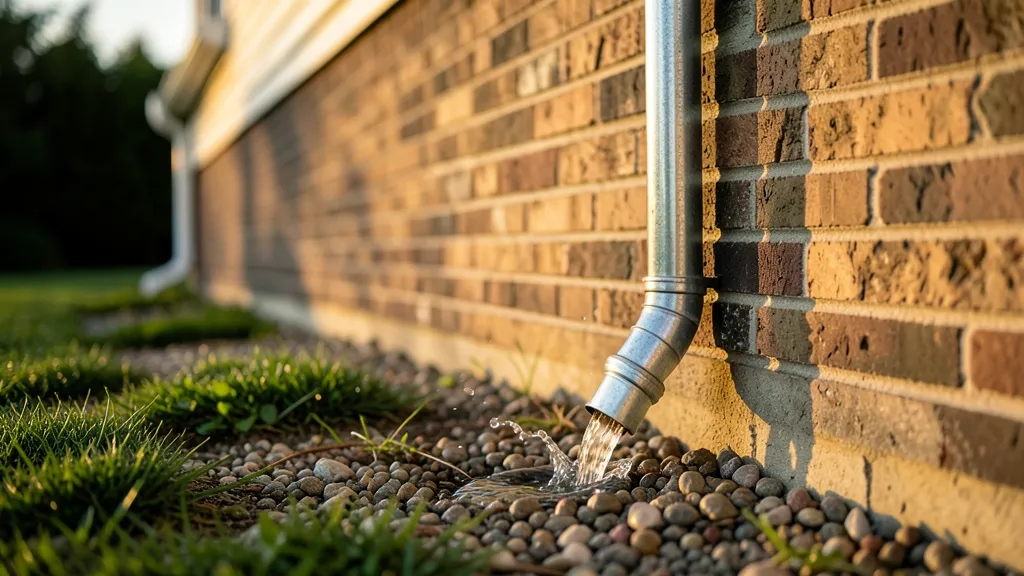
If you see water stains on siding or puddles at the base of downspouts after rain, your gutters are already failing. Act before the next storm.
How Clogs Accelerate Roof and Fascia Damage
Standing water in clogged gutters soaks into roof sheathing, leading to rot. In Olympia’s damp winters, this creates a perfect environment for moss and mold growth.
The weight of wet debris also pulls gutters away from the fascia, bending or breaking hangers. Once fascia boards rot, they can no longer support the gutter system—or your roof’s edge.
Downspouts: The Often-Overlooked Culprit
Even clean gutters fail if downspouts are clogged. Water backs up, overflows, and erodes the soil around your home’s foundation.
In neighborhoods like DuPont, where homes sit on sloped lots, improperly directed downspouts can cause erosion gullies, undermining driveways or patios.
| Problem | Effect | Solution |
|---|---|---|
| Clogged elbow | Water spills at the joint, eroding landscaping | Professional snaking or replacement |
| Detached downspout | Water pools at foundation | Reattach with proper slope and brackets |
| Missing splash block | Soil erosion at discharge point | Install or replace splash block |
The Hidden Threat: Ice Dams and Winter Freeze-Thaw
Olympia’s occasional freezing temps turn clogged gutters into ice dams. Melting snow refreezes at the roof’s edge, forcing water back under shingles.
This leads to interior leaks, stained ceilings, and insulation damage. Gutter heating cables help, but clean gutters prevent the problem entirely.
Schedule a late-fall gutter cleaning and inspection. We often pair this with gutter guard installation for year-round protection.
Foundation Erosion: The Costliest Consequence
Consistent water overflow saturates the soil around your foundation. Over time, this causes cracks in concrete or settlement issues in pier-and-beam homes.
In clay-heavy soils common in Tumwater, the expand-contract cycle of wet and dry seasons worsens structural shifts. Foundation repairs dwarf the cost of routine gutter maintenance.
When Neglect Spreads to Siding and Landscaping
Overflowing gutters stain or rot siding—especially wood and fiber cement. In Lacey’s newer developments, we see vinyl siding warping from prolonged water exposure.
Landscaping suffers too. Flower beds become waterlogged, and mulch washes away, leaving bare soil vulnerable to erosion.
Signs Your Gutters Are Damaging Your Home
- Peeling paint or rust on gutters
- Water stains on exterior walls
- Eroded soil or gullies near downspouts
- Sagging or pulling gutters
- Moss or algae growth on roof edges
Commercial Properties Aren’t Immune
Flat roofs and large footprints on commercial buildings in Olympia and DuPont make gutter failures even more destructive. Pooling water can collapse sections of the system under its weight.
We specialize in commercial gutter cleaning and repair, including box gutters and internal drains that require professional-grade equipment.
How to Inspect Your Gutters for Early Warning Signs
A quick visual check after a storm can reveal problems before they escalate.
- 1Check for Overflow
Look for water marks or drips along the gutter seams and downspouts. If water isn’t exiting at the downspout, there’s a clog.
- 2Inspect the Fascia and Soffit
Use a ladder to examine the wood behind the gutters. Soft, discolored, or peeling areas indicate rot from trapped moisture.
- 3Test Downspout Flow
Pour a bucket of water into the gutter. It should flow freely out the downspout. If it backs up, the downspout is clogged.
- 4Look for Sagging or Detachment
Walk the perimeter of your home. Gutters should be level and firmly attached. Sagging sections mean hangers are failing.
- 5Examine the Ground Below
Check for erosion, puddles, or washed-away mulch near downspouts. These are signs of improper water diversion.
Frequently Asked Questions
How often should gutters be cleaned in Olympia’s climate?
We recommend at least twice a year—once in late fall after leaf drop and again in early spring. Homes with overhanging trees or in wooded areas like Yelm may need quarterly cleanings.
Can gutter guards eliminate the need for cleaning?
No system is 100% maintenance-free. Guards reduce debris buildup but still require occasional checks, especially after heavy storms. We install and service high-quality gutter guards for long-term protection.
What’s the difference between gutter cleaning and gutter repair?
Cleaning removes debris to restore proper flow. Repair addresses structural issues like leaks, sagging, or detached sections. Often, neglect leads to the need for both.
Why do gutters pull away from the roof?
The weight of trapped water and debris strains the hangers. Over time, this causes gutters to detach. Resealing and resloping can restore function, but severe cases may require full replacement.
Do I need to clean gutters if my roof has a steep pitch?
Yes. Steep roofs actually shed more debris into gutters, increasing clog risks. The pitch doesn’t prevent overflow—it can make it worse if gutters aren’t clear.
How do I know if my downspouts are the problem?
If water overflows from the top of the downspout or pools at the base, it’s likely clogged. A simple test with a hose or bucket of water can confirm the blockage.